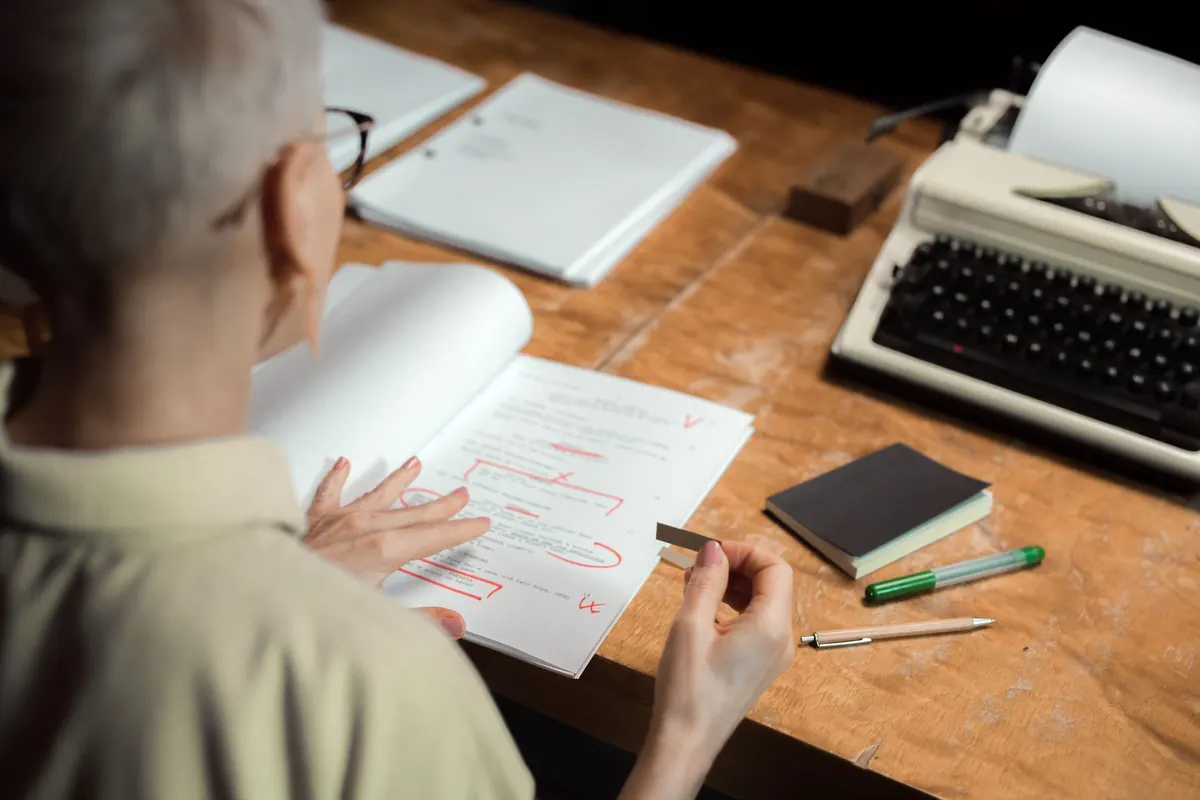


How to Interview a Bereaved Family with Sensitivity and Accuracy
A phone number arrives in the middle of a shift. A mother has agreed to talk about her son, who died three weeks ago, and has asked you to ring after six so the younger children are in bed. Everything about the next hour depends on how you handle it: whether the family trusts you, whether the copy is accurate, and whether they feel able to pick up the phone if something is wrong. Interviewing a bereaved family is one of the few parts of journalism where the person in front of you matters more than the story. Both still have to be done properly.
The first approach
Say who you are and what you want in the first thirty seconds. Plain words work better than a script: “I’m sorry about Daniel. I’m Ruth Ellis, I report for the local paper. We’re writing about the roadworks on the bypass. I’d like to talk to you, but only if you want to.”
Explain the story — what it is about, where it will appear, roughly when, and who else you are speaking to. Tell them what you already know, so they don’t have to walk you through the worst parts and can correct you early.
Be careful with promises. You can promise to spell the name correctly. You cannot promise a particular headline, the front page, or that a detail will stay out once it has been said on the record. If you might come back at the anniversary or for the inquest, say so now, not in eleven months’ time. If a family liaison officer, a friend or a faith leader offers to make the introduction, that can help — but ask the family first.
Consent is not a single moment
A nod at the front door is not consent for everything that follows. Work through the specifics out loud, and note what was agreed:
- To be interviewed and quoted by name
- To be photographed, and by whom
- For other family members to be named — a sibling still at school, a grandparent who hasn’t been told the full story
- For the conversation to be recorded
- For follow-up contact, and how: call, text or email
If someone wants to speak but not be identified, explain what that looks like in practice. “A family member said” offers less protection than they imagine when the story is about one household. If you cannot offer real anonymity, say so before they start talking, not after.
Children, and adults who lack capacity, need a different approach: consent from a parent or guardian, careful handling, and no interview unless there is a clear reason for it. This is a good moment for a word with your editor. If legal restrictions may apply — an active criminal case, limits around an inquest or a youth court — check the position with a media lawyer before publication, not afterwards.
Consent can be withdrawn. Agree in advance what happens if they change their mind: before publication you can usually drop the quotes; after publication, the piece is out. Being straight about that builds more trust than avoiding the subject.
Questions that leave room to breathe
Give them the shape of the conversation
Start with the practical. How long you would like, what you plan to ask about, and that they can stop, skip a question, take a break, or answer something later by email. People cope better when they can see the edges of the thing.
Start with the person, not the death
“Tell me about him.” Ask what he was like, what he loved, what he was like at nine years old, what he would have been doing this summer. Some families speak about someone in the present tense. Follow their lead rather than correcting them.
Open first, then narrow
A general question lets them choose the door: “What happened that night?” Only afterwards, if it is needed: “What time did you call the police?” Concrete detail makes accurate copy, but never ask a question purely to make a scene vivid. Before you ask something painful, ask yourself whether it improves the reader’s understanding or simply the drama. If it is the latter, leave it.
Avoid what doesn’t help
“How did you feel?” rarely produces anything usable. Nor do “closure”, “at least”, “everything happens for a reason” or “I know how you feel”. Better questions: “What do you want people to understand about him?” and “What should change?”
Take the silences. If someone cries, don’t rush to fill the gap or apologise for the question — wait, and let them decide whether to carry on. Finish with: “Is there anything I haven’t asked that you want said?”
On the day
Let them choose the place. A kitchen table is usually better than an office, and a neutral café is better than the spot where someone died. Ask who else will be present. A daughter, a friend, a solicitor — any of them can help, and any of them can change what gets said. Note who is there.
A recorded 45 minutes with a clear end point is kinder and more productive than two hours with no exit. Ask permission before recording and explain where the file goes.
Watch for the signals that a conversation is past its limit: a flat voice, hands that will not stay still, someone checking the clock. Offer a break. If a person becomes distressed, stop. You can come back another day, or take the rest in writing. Keep details of local and national bereavement support to hand. Passing on a number is not counselling, and you should not attempt to counsel — but it is a decent thing to do.
Getting the facts right about a death
Errors sting more in these stories, and they travel. Go back to the family for:
- Full name, spelling, and how they want it to appear — ask them to write it down
- Date of birth, date of death, and age at death, not the age they would have been
- Where they lived, and for how long
- Relationships, and who should and should not be named
- Occupation, and anything they were proud of
- The photograph: who is in it, when it was taken, who should be credited — and return originals the same day
Then check what you can from the record: police statements, the coroner’s office, an inquest, a court list, the funeral notice, the funeral director. Understand the difference between “died” and “was killed”, and never state a cause before it has been established. If a fact is contested, attribute it — “police say”, “the family believe” — rather than smoothing it into one confident line.
Keep your notes and any recording. If you make a mistake, ring the family before it appears in print, then correct it quickly and visibly. Quote them accurately: ellipses and square brackets used properly, and never two separate answers welded into one sentence to make a better line.
Before you file: a short checklist
- Have I explained who I am, what the story is, and where it will appear?
- Do I have consent for the interview, the photograph, and the naming of other family members?
- Has every name, date, age and place been checked back with the family?
- Have I asked whether there is anything they want added, or left out?
- Have I told them what happens after publication, including any follow-up?
- Have I left a direct number and a realistic idea of when I will be in touch?
- Are my notes and recordings secure?
Then write it as carefully as you would any other story. The family will read every line, and so will their neighbours.
Photo: manbob86 / Pixabay